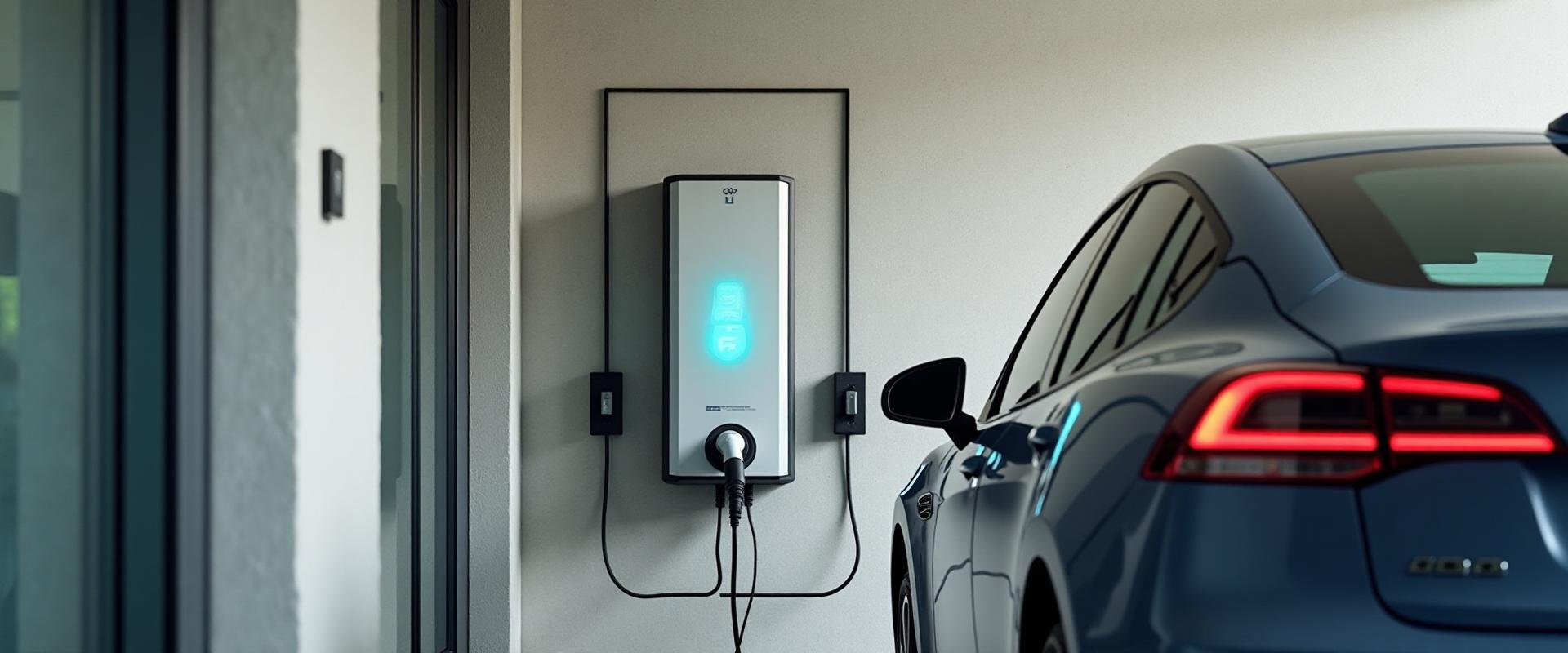
EV Charger Installation
Professional electric vehicle charging station installation for your home or business. Fast, convenient charging for your EV.
Call 262-331-0353Why Install a Home EV Charger?
Electric vehicles are the future of transportation, and owning one is most convenient when you can charge at home. While you can technically charge an EV using a standard 120-volt household outlet, it's painfully slow—providing only 3-5 miles of range per hour. For most EV owners, that means overnight charging barely keeps up with daily driving.
A Level 2 charger can offer faster charging than a compatible standard household outlet. Charging speed, time and operating cost depend on the vehicle, equipment, circuit capacity and electricity tariff. We review the installation requirements for your project; no specific charging speed or cost saving is guaranteed.
Professional installation by a licensed electrician ensures your EV charger is safe, properly connected, and code-compliant. We handle everything from assessing your electrical panel capacity to running dedicated circuits, installing the charger, and obtaining necessary permits and inspections.
Our EV Charger Installation Services
EV Charger Options
Hardwired Level 2 Chargers
Permanently wired chargers mount to your wall and connect directly to a dedicated circuit. Popular brands include ChargePoint, JuiceBox, Grizzl-E, and Wallbox. These offer the cleanest installation and typically include smart features like Wi-Fi connectivity, scheduling, and usage monitoring. Charging speeds range from 16 to 80 amps (faster charging with higher amperage).
Plug-In Level 2 Chargers (NEMA 14-50)
A plug-in charger requires a compatible outlet and a circuit suitable for the equipment. LA evaluates the electrical capacity and installs the agreed circuit and outlet. Charging speed depends on the vehicle, charger and installation.
Tesla Wall Connector
We review the Wall Connector model, vehicle compatibility, available electrical capacity and manufacturer installation requirements before confirming the installation.
Commercial EV Charging Stations
For commercial properties, LA reviews electrical capacity and installs the agreed circuits and compatible charging equipment. Payment processing, network administration and charging-network management are not services offered by LA.
Professional Installation Process
1. Site Assessment: We evaluate your electrical panel, available capacity, and optimal charger location. We measure the distance from your panel to the charging location to determine wiring requirements and identify any obstacles.
2. Load Calculation: We calculate your home's electrical load to ensure your panel can support EV charging. If your panel is near capacity, we discuss options including load management systems or panel upgrades.
3. Permit Acquisition: We handle all permit applications required by your local municipality. Most jurisdictions require permits for EV charger installation.
4. Circuit Installation: We install the agreed circuit with wiring and protection selected for the equipment, electrical load and installation conditions.
5. Charger Installation: We mount and connect your charger (hardwired) or install the outlet (plug-in). All connections are secure and code-compliant. Outdoor installations include weatherproof components.
6. Testing & Configuration: We test the installation thoroughly and help you configure smart charger features including Wi-Fi setup, charging schedules, and amperage settings.
7. Inspection: A municipal inspector verifies our work meets code requirements. We handle all inspection scheduling and coordination.
Benefits of Professional EV Charger Installation
Fast Home Charging
A compatible Level 2 installation can reduce charging time compared with standard-outlet charging. Actual charging time depends on the vehicle, charger, available power and battery conditions.
Convenience
Start every day with a full charge. No more trips to public charging stations for your daily driving needs.
Cost Savings
Charging costs depend on your electricity tariff, vehicle, charging losses, usage and any equipment or network fees. Home charging is not guaranteed to cost less than other charging or fueling options.
Increased Home Value
EV charger installation increases property value and makes your home more attractive to EV owners—a rapidly growing market.
Smart Features
Modern chargers offer Wi-Fi connectivity, smartphone control, charging schedules, and energy usage monitoring.
Future Ready
Install proper infrastructure now to support current and future electric vehicles as more manufacturers go electric.
Does Your Panel Need an Upgrade?
Many homes, especially older ones, have electrical panels that are already near capacity. Adding an EV charger (which typically requires a 40-60 amp circuit) may exceed your panel's capability. This doesn't mean you can't charge an EV—it just means we need to address capacity first.
Panel Upgrade: If your panel is outdated or undersized, we can upgrade it to 200 amps or higher to accommodate EV charging and other electrical needs. This ensures you have adequate capacity now and for future requirements.
Load Management Systems: Smart load management devices can allow EV charging even on panels near capacity by temporarily reducing power to other circuits (like electric dryers or water heaters) when the EV is charging. This can be more cost-effective than a full panel upgrade.
During our site assessment, we'll determine if your existing panel can support EV charging or if you need additional capacity. We'll provide options and clear pricing so you can make an informed decision.
Rebates & Incentives
An installation quote is based on the agreed equipment and electrical work, without assuming an unconfirmed tax credit, rebate or incentive. Check current program availability, eligibility, deadlines and approval requirements directly with the utility or official program administrator before making a purchasing decision.
LA does not guarantee that a program is available, that you qualify, or that a credit, rebate or payment will be approved. Ask a qualified tax professional about tax eligibility. Any supporting documents from LA must reflect the work actually agreed and completed.
Ready to Install Your EV Charger?
Contact us today for a site assessment and quote on professional EV charger installation.